September 2023 news!
What happened in September 2023 at Phyto-info… we tell you all about it!
Hello everyone 🌿
If you say out loud “I’m going to gather elderberries”, it’s almost certain that someone close to you will tell you “be careful not to confuse with the dwarf elder, you know which one is deadly”. Surely a comment like that freaks you out a bit 😱
Added plants 👏
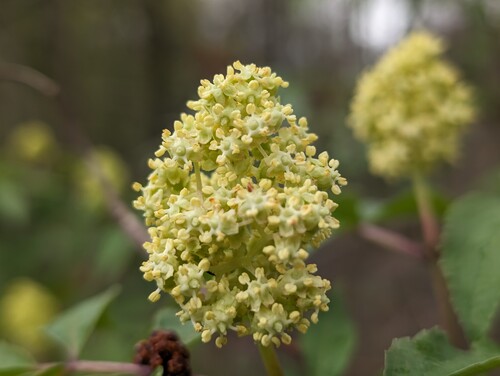
You asked us for the black elderberry, here it is. We even took the opportunity to take stock of the dwarf elder.
- Black elder (Sambucus nigra)
- Dwarf elder (Sambucus ebulus)
Black elderber is by far the most used. Its fresh or dried flowers and its cooked berries are used for their properties, of course, but also for pleasure. Indeed, they are very popular in making lemonades, liquors, cakes, jellies, custards… they don’t call black elderberry poor man’s vanilla for nothing.
However, it will be better to keep the indications below in mind to avoid intoxication, because black elderberry does not always show white legs (all references for these statements are listed in our plant sheet).
- Raw berries are vomitive and purgative and, due to their concentration of sambunigrin, which are potentially toxic, their consumption is therefore strongly discouraged
- leaves, stems, bark, and roots, all in fresh, are toxic
- Seeds in fruits are toxic
- The bark in infusion is toxic in high doses
And after all this, they tell us “um be careful, don’t confuse it with dwarf elder”.
Obviously the dwarf elder is not all pink either. While dwarf elder would have the same properties as those of black elder (Luu and Fournier, 2020 and others), berries, on the other hand, should be avoided like the plague. Indeed, several authors call them LETHAL. So be careful!
To differentiate black elderberry from dwarf elder, it’s relatively easy:
- Name: Black elder —Dwarf elder
- Type: shrub —herbaceous
- Height: 2 to 10 m —0.7 to 1.50 m
- Flowers: cream white —pink white
- Leaves: 5 to 7 leaflets —7 to 10 leaflets
- Fruits: drooping port —erect port
We let you discover these two elderberries on our platform.
English translation 👏
During our last general meeting, we decided to work on the English version of Phyto-info in order to increase the visibility of our search tool. Since the whole team speaks English fluently, we decided that we would start an internal translation in order to optimize costs. It seems like nothing, we have a lot of words to translate 🥺 But hey, we’re not discouraged, we roll up our little sleeves and get started… we’ll keep you informed of our progress.
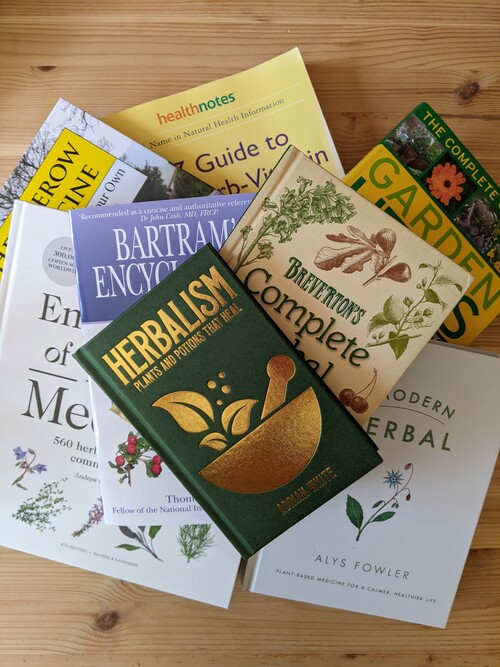
We also invested in a few books written in the language of Shakespeare. Finally, as the books were purchased in Ireland, we should rather say in the language of Bram Stoker… and yes Dracula’s dad was Irish. In any case, these books will be a great help in expanding specialized vocabulary 🙏
🌿 🌻 🌾
This was the news of our month of September, if our search tool interests you, more information on phyto-info.com.
Discover our Plant Search Tool
And if you have any questions, please do not hesitate to contact us 🤗
Next newsletter in a month! Stay tuned!